
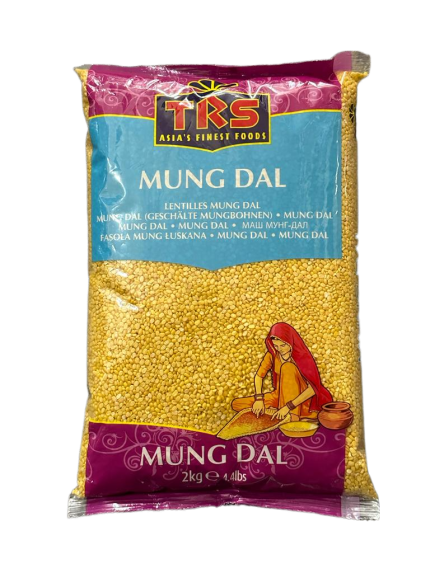
TRS Mung Dal
€2.19 – €5.99Price range: €2.19 through €5.99
Tasty & Nutritious
Mung Dal is the whole split mung bean, including the husks. It is cooked and eaten in the same manner as any other lentils. Full of wholesome protein and fibre. In Indian Cuisine, both the whole lentils and the split ones are used. The husks are removed, which is why you see the yellow colour of the beans.
| Typical values | Per 100g | Per 45g serving |
| Energy | 1336kj | |
| Energy | 318kcal | |
| Fat | 3.7g | |
| of which saturates | 1.5g | |
| Carbohydrate | 35g | |
| of which sugars | 1.2g | |
| Fibre | 20g | |
| Protein | 26g | |
| Salt | <0.1 |
Allergens
May contain Peanuts, Nuts, Sesame, Cereals containing Gluten, Milk, Celery, Soya, Mustard and Sulphites.
Ingredients
Mung Dal.
Product Usage
Make Bhaja Muger Dal (Yellow Split Lentil Soup) or a Mung Dal Halwa.
TRS Mung Dal is quick to cook and easy to digest. When cooked for too long they tend to dissolve but when cooked for shorter periods of time, it holds its shape, adding a slight fluffy texture. Mung Dal is very easy to digest and high in nutrition so are always recommended for sick people, children, the elderly and those that are pregnant.
Flavour
Very similar to a pea, with a slightly sweet and nutty taste.
Aroma
A delicate sweet, nutty aroma.
Pair With
Spinach, cumin, ginger.
Health Benefits
A good source of protein, B vitamins, calcium, iron, magnesium, potassium, zinc and fibre, making it a nutritious source of food. These nutrients mentioned are very essential for the body for its various functions like building and repair of tissues, development of red blood cells in the body, strengthening bones, good digestion, strong immunity etc.
| Weight | 25 Kg, 1 kg, 2 kg, 500 g, 5 kg |
|---|
Related products
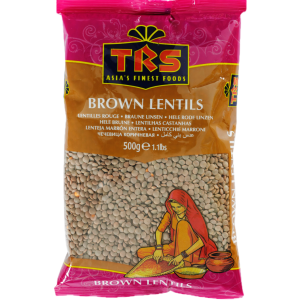
TRS Brown Lentils
€1.59 – €4.89Price range: €1.59 through €4.89- 1 kg
- 2 kg
- 500 g
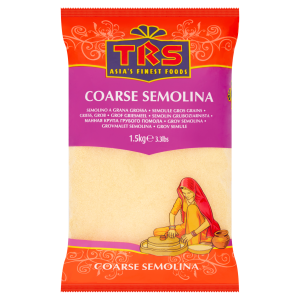
TRS Coarse Semolina
€1.99- 1.5 Kg
- 500 g
- 5 kg
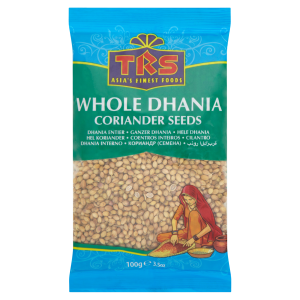
TRS Coriander Seeds (Whole Dhania)
€1.19 – €5.19Price range: €1.19 through €5.19- 3 Kg
- 750 g
- 100 g
- 250 g